
Throne and Liberty: Unveiling the Power of the Staff

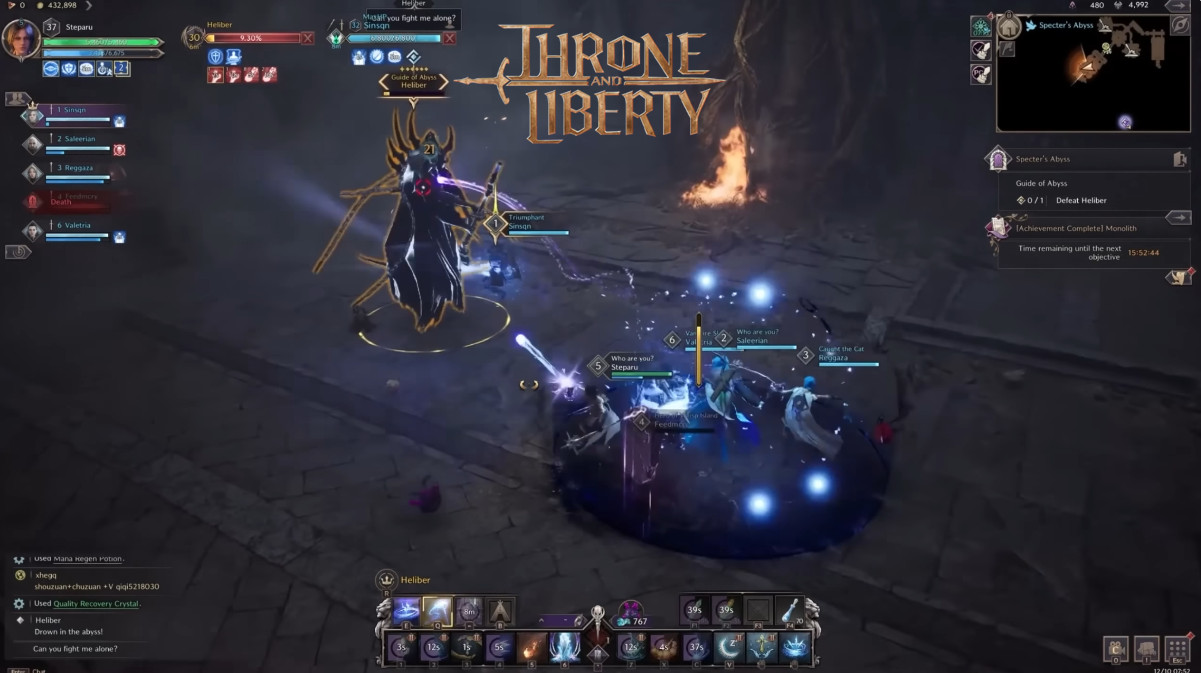
Welcome to an in-depth exploration of one of the formidable weapons in the world of Throne and Liberty – the Staff. As we delve into the active and passive skills associated with this magical apparatus, we’ll uncover the intricacies that make it a potent choice for players who revel in ranged combat and high magical damage.

Introduction:

Throne and Liberty throw away traditional MMO class systems and allow players to purchase weapon combinations through TL Lucent to create their characters. This article dives deep into the Staff, a potent ranged weapon that unleashes fiery and electric fury upon enemies.

Active Skills:

Mystic Shield: Defends against attacks, regenerates Mana, and deals damage when countered. Wet enemies suffer a burning DoT.
Chain Lightning: A lightning strike with bonus damage against burning and wet enemies, chaining to nearby targets.
Serial Flame Bombs: Throws bombs that inflict burning DoT, stackable and usable three times in a row.
Smoke Screening Frost: Creates a zone that damages and teleports you back, slowing enemies within.
Infernal Wave: A powerful fire attack that deals bonus damage to burning and wet enemies.
Inner Piece: Doubles Mana regeneration for 6 seconds, but ends on movement. Great for Mana-hungry Staff users.
Icebound Tomb: Freezes and slows enemies in an area.
Icespear: Throws a piercing spear that slows enemies.
High Locus: Shortens cooldowns and increases movement speed for a short burst.
Judgment Lightning: Powerful lightning attack that hits multiple enemies and burns them. Wet enemies trigger additional attacks.
Inferno Meteor: A long-cooldown ultimate that calls down a meteor with knockback, burning DoT, and critical hit chance.

Passive Skills:

Monoblock Eruption: Chance to trigger an additional projectile with each basic attack, Mana regeneration increases based on attack power.
Aism Mana Regeneration: Increases Mana regeneration while standing still.
Mana Amplification: Increases maximum Mana.
Flame Condensation: Enhances burning damage.
Silence Barrier: Creates a barrier upon being silenced, increasing silence resistance.
Lord of Frost: Enhances movement speed and slows enemies.
Forbidden Sanctuary: Increases damage reduction for a short duration after hitting multiple targets with a single skill.
Jice Authority: Reduces the cooldown of a skill based on the number of targets hit (excluding the first).

Weapon Combinations:

Developers recommend Staff with a Book or Longbow for maximizing ranged damage and control. However, Staff can be combined with any weapon, including melee options. The Staff’s high damage and AoE potential make it a viable choice for various roles and playstyles.

Final Thoughts:

The Staff is a versatile and powerful weapon, offering ranged magic damage, DoTs, and even some utility. Its dependence on Mana requires careful management, but skills like Inner Piece and Aism Mana Regeneration help alleviate the issue. Whether you’re a solo adventurer or a team player, the Staff offers a satisfying and impactful playstyle in Throne and Liberty.

Be sure to subscribe to MMOexp for regular updates and informative content. Use discount code “exp32p” to save 5% on buying Throne and Liberty Lucent.

Tanking Dynamics in WoW Classic SoD: A Comparative Analysis

As players navigate the challenges of WoW Classic Season of Discovery, the choice of tanks becomes a crucial factor in determining the success of dungeons and raids. Currently, the landscape of tanking classes presents distinctive strengths and weaknesses. Let’s delve into the current state of tanks in Season of Discovery, evaluating their threat generation, survivability, and overall performance.

  1. Warrior Tanks: The Undisputed Kings

Warrior tanks maintain their regal status as the most versatile and formidable tanks in Season of Discovery. Once groups adapt to the concept of warrior tanks wielding a two-handed weapon instead of a shield, their damage output becomes unparalleled. While shaman tanks may out-threat them with dual-wielding Rockbiter, the sheer damage dealt by warrior tanks exceeds that of casters and other physical DPS. Warriors continue to dominate as the go-to tanking class, providing a robust blend of damage, threat generation, and survivability.

  1. Shaman Tanks: The Threat Generation Phenomenon

Shaman tanks, particularly those wielding dual Rockbiter weapons, emerge as potent contenders for threat generation supremacy. Their ability to generate and maintain threat is remarkable, ensuring that adversaries seldom challenge their dominance. With commendable damage output, solid survivability, and modest group utility, shaman tanks have carved a niche as reliable tanking options in Season of Discovery. However, a critical choice exists between dual-wielding Rockbiter shaman and warrior tanks, with warriors still edging out in overall effectiveness.

  1. Druid Tanks: Decent All-Rounders

Druid tanks find themselves in a respectable position, offering a balanced performance in terms of survivability and threat generation. While they lack the sheer dominance of warriors or the threat generation prowess of shaman tanks, druids exhibit competency in both aspects. Their survivability remains commendable, and they can generally maintain threat effectively. While not excelling in any particular aspect, druid tanks prove to be reliable all-rounders, contributing to a group’s success without standing out in any specific area.

  1. Paladin Tanks: The Enigma

Paladin tanks remain somewhat of an enigma in Season of Discovery. Limited information makes it challenging to assess the current effectiveness of paladin tanks, leaving their true potential shrouded in mystery. The community is eager to gain insights into the viability of paladin tanks, especially in comparison to other tanking classes. As the meta evolves, paladin tanks may unveil their unique strengths and contributions to group dynamics.

  1. Warlock and Rogue Tanks: Niche Performers

Warlocks attempting to fulfill tanking roles encounter challenges in both threat generation and damage output. The current perception suggests that warlocks struggle to maintain threat effectively, potentially due to limitations in damage capabilities. Similarly, rogues, while not primarily designed for tanking, face constraints in threat management. The nature of combo points dropping poses a significant hurdle for rogues aspiring to serve as effective tanks.

Conclusion: Navigating Tank Choices in Season of Discovery

As players embark on dungeons and raids in WoW Classic Season of Discovery, the choice of a tanking class significantly impacts group dynamics. Warrior tanks, with their unmatched versatility and damage output, stand as the predominant choice for those seeking optimal performance. Shaman tanks, excelling in threat generation, provide a compelling alternative. Druid tanks offer reliability across the board, while the potential of paladin tanks remains a mystery. Warlocks and rogues, while niche performers, encounter challenges in meeting the demands of tanking roles.

Ultimately, the dynamic tanking landscape encourages players to explore diverse strategies and adapt to the strengths and weaknesses of each tanking class. The evolving meta may reveal unforeseen synergies and strategies, keeping the WoW Classic community engaged in the ongoing exploration of Season of Discovery’s tanking dynamics.

By the way, Christmas 2023 Carnival At MMOexpBuying WoW Classic SoD Gold Up To 10% Bonus. Join now.

Cabal Online – Revisited

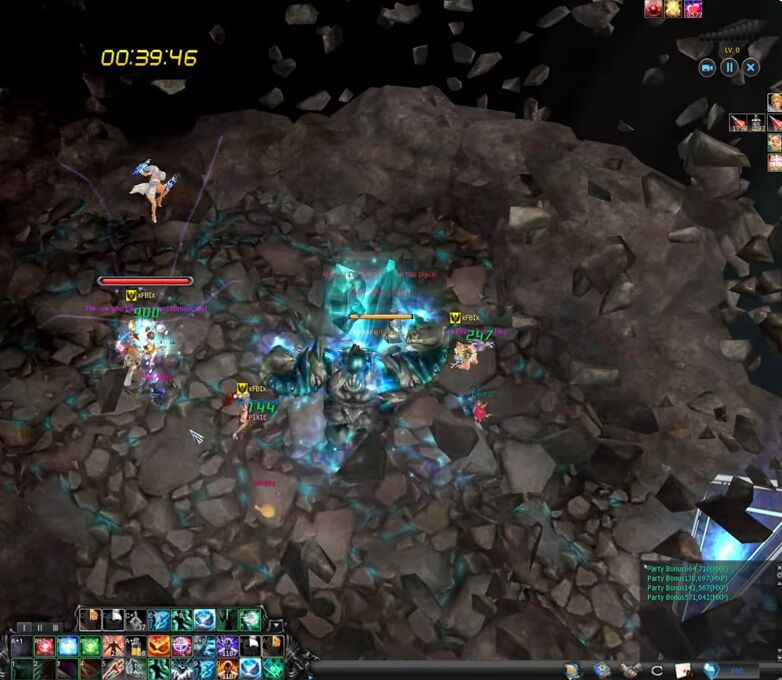
In the realm of MMORPGs during the second generation of online gaming, the fusion of hack & slash action was a rare gem due to programming limitations. One such exception was Cabal Online, crafted by the South Korean developer ESTsoft. Touted as “The Revolution of Action,” it promised a blend of MMORPG and hack & slash gameplay, coupled with captivating graphics and challenging quests to captivate players.

Fast forward to 2012, where action MMOs are more prevalent, and Cabal 2 is on the horizon. It’s an opportune moment to revisit Cabal Online and scrutinize whether its initial claims still stand.

Customization:

The initial customization options are disappointingly limited. Players are restricted to seven hair styles, eight hair colors, and four face shapes. Standing out from the crowd requires purchasing new hairstyles and outfits from the eShop. On the upside, Cabal offers a decent array of character classes—Warrior, Blader, Archer, Forcer Blader, Force Shielder, and Wizard—incorporating standard MMO archetypes with a few hybrids.

While post-creation customization appears to have some depth, it feels somewhat simplistic. Equipment stats can be enhanced by upgrading with cores, providing a moderate level of personalization. However, the use of runes for characters is restricted to those at LV120 and above.

Gameplay:

Given Cabal Online’s 2006 release, many gameplay elements feel dated. The leveling process involves engaging in numerous kill and fetch quests, often taking considerable time. Players find themselves battling mindless enemies and their variations, making dungeons repetitive endeavors focused on progressing from point A to B while eliminating foes.

Gameplay dynamics see improvement at level 30 with the introduction of the Combo Chain skill. Despite this boost, the game only marginally enhances. The leveling pace improves, but the addition of skill ranking introduces a second layer of grinding. Players must utilize training dummies to increase skill ranks, a process that can feel monotonous.

While Cabal Online attempts to inject excitement with rewards every ten levels, such as unlocking potent battle modes or transforming weapons, these perks dwindle in interest post-LV50. More challenging content is reserved for LV100+ players, perpetuating the trend of MMORPGs requiring substantial grinding before reaching the purportedly “fun” segment.

The PvP aspect of Cabal Online faces challenges, as many skills can stun, lock, or knock down opponents, often with wide-ranging area-of-effect effects. The combo chain system, coupled with these skills, tends to determine matches swiftly, favoring the one who lands the first attack.

Controls:

Cabal Online employs familiar MMORPG controls, utilizing WSAD keys for movement and number keys for skills and potions. Movement via the keyboard is functional but takes a backseat during combat, where mouse-based movement and positioning prove more effective. The combo chain skill introduces a rhythmic key-pressing aspect, resembling a mini-game rather than a complex hack & slash element.

Graphics and Presentation:

Cabal Online’s art direction is perplexing, attempting to amalgamate fantasy, sci-fi, and steampunk themes into a disjointed concoction. The world feels small due to segmented areas connected by a portal room. Despite the peculiar presentation, the game is known for eye-catching special effects, lending each attack a visually striking quality.

While Cabal Online features multiple areas, the lack of exploration, along with a generic original soundtrack, somewhat dampens the overall experience. On a positive note, players can insert their own music into the in-game jukebox powered by .ogg music files.

Community:

Community functions are standard, including Friends List, Guilds, and a Mailbox, and they function as expected. The community is active, but high-level players dominate, making it challenging for newcomers to find party members. There’s nothing particularly remarkable about community functions that sets Cabal Online apart.

Overall:

In a landscape where many MMORPGs offer genuine hack n’ slash action, Cabal Online may struggle to find a place as the preferred choice. While it held promise in its time, Cabal Online’s appeal today may primarily be rooted in nostalgia for those with a sweet tooth for the past.

Cabal Online is one of the most iconic RPGs of all time, and Cabal Return of Action has been released to much fanfare. Join now. Buying Cabal Return of Action gems from mmoexp.com, 100% safe and legit.

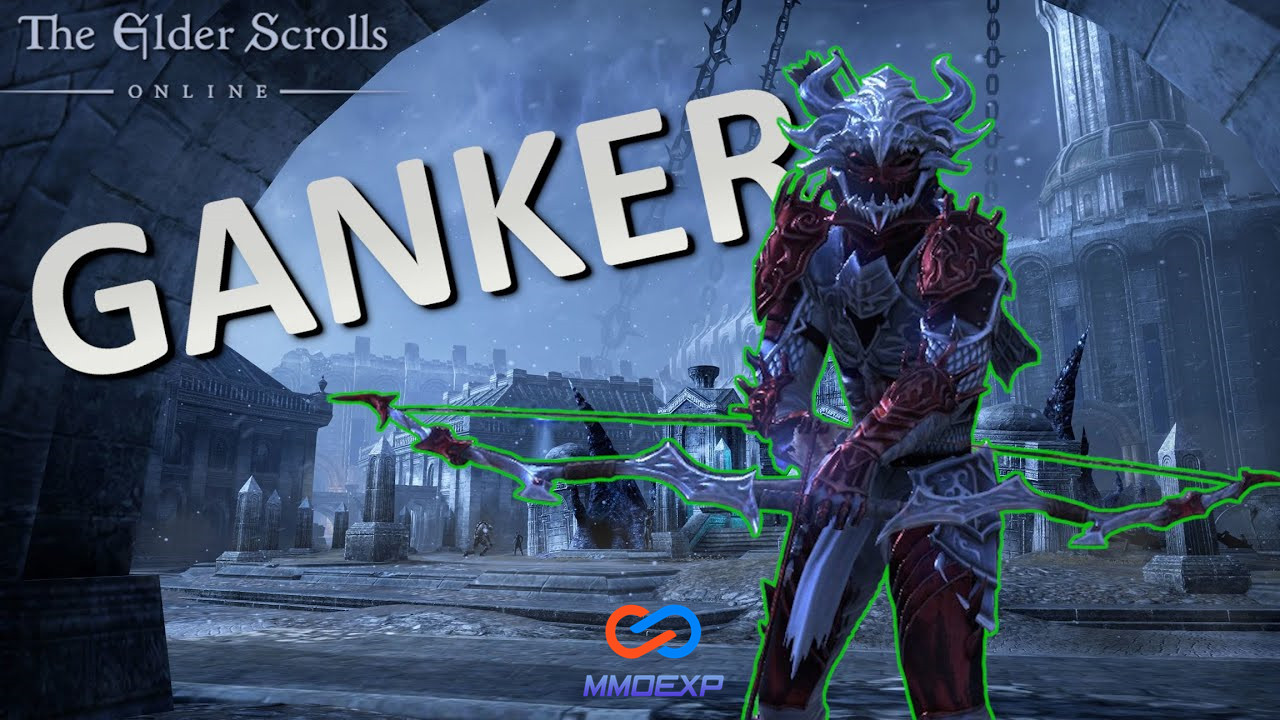
Dominating the Battlefields: Guide to ESO’s Ganker Build

In the realm of The Elder Scrolls Online (ESO), PvP encounters provide an adrenaline-fueled battleground, where players test their skills and build against one another. Among the diverse playstyles, the ganker build stands out for its ability to unleash devastating attacks and quickly eliminate unsuspecting opponents. This guide delves into the intricacies of a powerful ganker build, empowering players to dominate the battlefields and strike fear into the hearts of their enemies.

Character Build and Gear Setup

Race: Khajiit

The Khajiit race excels in crit chance, a crucial element for ganking, as it increases the likelihood of dealing critical damage and eliminating enemies swiftly.

Attributes:

Magicka: 64 points

Maximizing Magicka ensures you have ample resources to cast your powerful abilities and sustain through combat.

Mundus:

Lover

The Lover Mundus provides significant penetration, enabling you to bypass enemy resistance and deal more consistent damage.

Food:

Gastly Eyeball Stew

This food choice enhances your maximum Magicka and Magicka recovery, boosting your damage output and sustain.

Gear:

One-piece Ballor’s Folly Mask (Medium Divines)

This piece increases your weapon and spell damage, contributing to your overall damage potential.

Ashen Grip

Ashen Grip Shoulders (Medium Divines)
Ashen Grip Chest (Medium Divines)
Ashen Grip Legs (Medium Divines)

This set provides a combination of Max Health, weapon and spell damage, crit chance, and a unique effect that deals fire damage to enemies in front of you.

Flame Blossom

Flame Blossom Hands (Light Divines)
Flame Blossom Waist (Light Divines)
Flame Blossom Shoes (Light Divines)

This set offers a line of Max Magicka, weapon and spell damage, offensive penetration, and an additional fire damage effect that moves forward after a second, striking enemies in its path.

Jewelry:

Necklace: Inflamed Blossom (Bloodthirsty Trait)
Ring: Flame Blossom (Bloodthirsty Trait)

These jewelry pieces further enhance your weapon and spell damage, while the Bloodthirsty trait increases your damage against enemies with lower health.

Weapons:

Main Hand: Maelstrom Dagger (Nirnhoned Trait)
Off Hand: Maelstrom Dagger (Nirnhoned Trait)

Dual-wielding Maelstrom Daggers provide a balance of damage and utility, with the Nirnhoned trait offering a chance to apply a poison effect that reduces enemy weapon damage.

Skills and Rotation

Primary Bar:

Concealed Weapon (Spammable)
Channeled Acceleration (Buff)
Whirling Blades (Execute)
Shrew's Offering (Healing)
Shadowy Disguise (Stealth)

Secondary Bar:

Incapacitating Strike (Stun)
Soul Shriven Pact (Damage Shield)
Hurricane (Crowd Control)
Summon Spectral Hurricane (Ultimate)

Rotation:

Activate Shadowy Disguise to gain invisibility and set up your first attack.
Approach your target and use an Incapacitating Strike to stun them.
Swiftly switch to your primary bar and unleash Concealed Weapon, taking advantage of the critical strike chance from Shadowy Disguise.
Follow up with Whirling Blades to execute your stunned opponent.
If necessary, use Soul Shriven Pact to gain a damage shield and additional damage.
Utilize Shrew's Offering to heal yourself if needed.
For larger groups or tougher opponents, consider using Hurricane to control enemies and Summon Spectral Hurricane for additional crowd control and damage.

Additional Tips and Strategies:

Prioritize targets with lower health for increased damage output from the Bloodthirsty trait on your jewelry.
Utilize invisibility strategically to catch enemies off guard and gain the element of surprise.
Position yourself effectively to avoid unnecessary damage and optimize your attacks.
Practice your rotation to ensure smooth execution and maximize your effectiveness in combat.
Adapt your playstyle and skill selection based on specific encounters and group compositions.

Conclusion

The ganker build offers a thrilling and effective approach to PvP in ESO, allowing players to dominate the battlefields with devastating attacks and tactical maneuvering. By mastering its skills, rotation, and strategies, players can become formidable forces in Cyrodiil and other PvP arenas, striking fear into the hearts of their adversaries and claiming victory.

Keep up to date with MMOexp site for the latest The Elder Scrolls Online content! MMOexp provides the best way to buy cheap TESO gold. Sign up for free and become our VIP member at once.

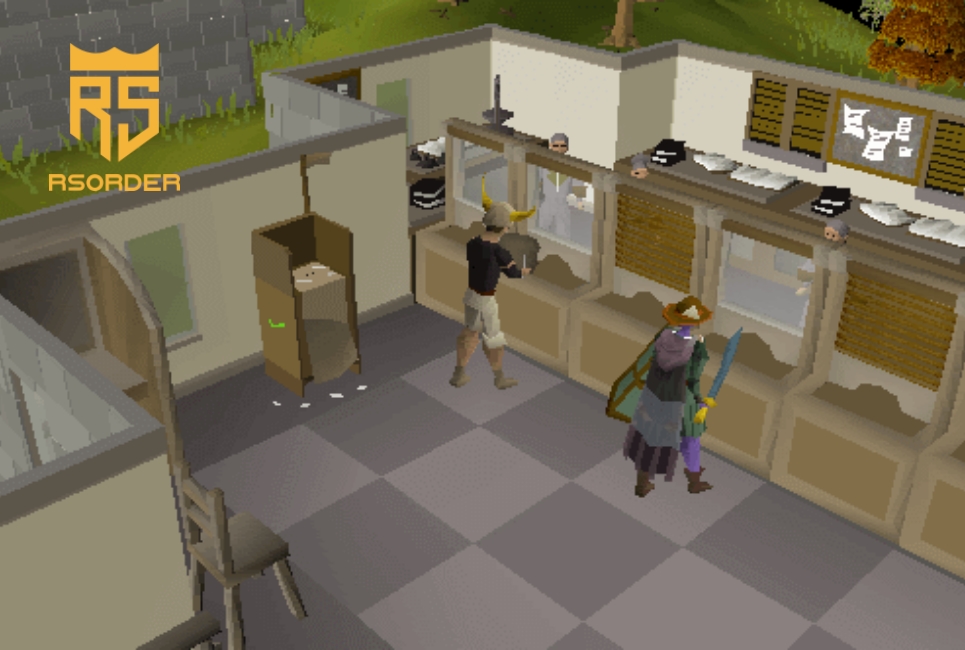
OSRS F2P Crafting Guide

Crafting is an essential skill in Old School RuneScape (OSRS) that allows players to transform raw materials into valuable items, including armor and jewelry. In this guide, we will explore the various crafting methods available in the free-to-play (F2P) version of the game. Whether you’re a newcomer or a seasoned player, this guide will help you embark on your crafting journey.

To begin your crafting adventure, you’ll need some basic materials. In the F2P version of OSRS, leather, glass, and clay are the primary materials you’ll be working with. These can be obtained by killing monsters or mining.

Essential Crafting Tools

Several tools are essential for your crafting endeavors:
Needle: This tool is used to sew leather items together.
Thread: It is essential for sewing and can be used with a needle to create various leather items.
Chisel: Required for carving gemstones and transforming uncut gems into polished gems.
Moulds: Used for shaping gold and silver jewelry.
Glassblowing Pipe: This tool allows you to blow molten glass into various glass items.

Leather Crafting
Leather crafting is one of the most accessible methods for F2P players. Begin by collecting cowhide from cows. Once you have enough cowhide, head to a crafting table equipped with a needle and some thread. Here, you can create items such as gloves, boots, and bodies, which will earn you experience points. As you level up your crafting skill, you’ll unlock the ability to craft higher-level leather items, providing more experience and potential profit.

Pottery Crafting
Pottery crafting involves shaping clay into useful items such as clay pots or bowls. To get started, mine clay from locations like the South-east Varrock mine. Once you have obtained clay, use it on a potter’s wheel and an oven to create various pottery items. This method is particularly beneficial for lower-level players, as it provides valuable crafting experience.

Gem Cutting
Once you reach level 20 crafting, you can cut uncut gems obtained from mining into polished gems. Using a chisel on uncut gems will allow you to create items like sapphire rings or amulets. This method not only provides a steady source of crafting experience but also offers the potential for profit by selling the crafted gems.

Glassblowing
At level 1 crafting, you can start glassblowing. To begin, collect soda ash and buckets of sand. Combine these materials and use them on a furnace to create molten glass. Once you have molten glass, use a glassblowing pipe to craft various glass items such as vials, orbs, or lantern lenses. Glassblowing is an excellent method for gaining crafting experience, and the crafted items can be useful or sold for OSRS Gold.

Crafting is a versatile skill in OSRS that allows you to create valuable items from raw materials. In the F2P version of the game, leather crafting, pottery crafting, gem cutting, and glassblowing are the primary methods available. By buying cheap RuneScape Gold from RSorder and obtaining the necessary materials, you can level up your crafting skill and unlock more advanced crafting options. So, gather your supplies and start your crafting journey in OSRS today!